
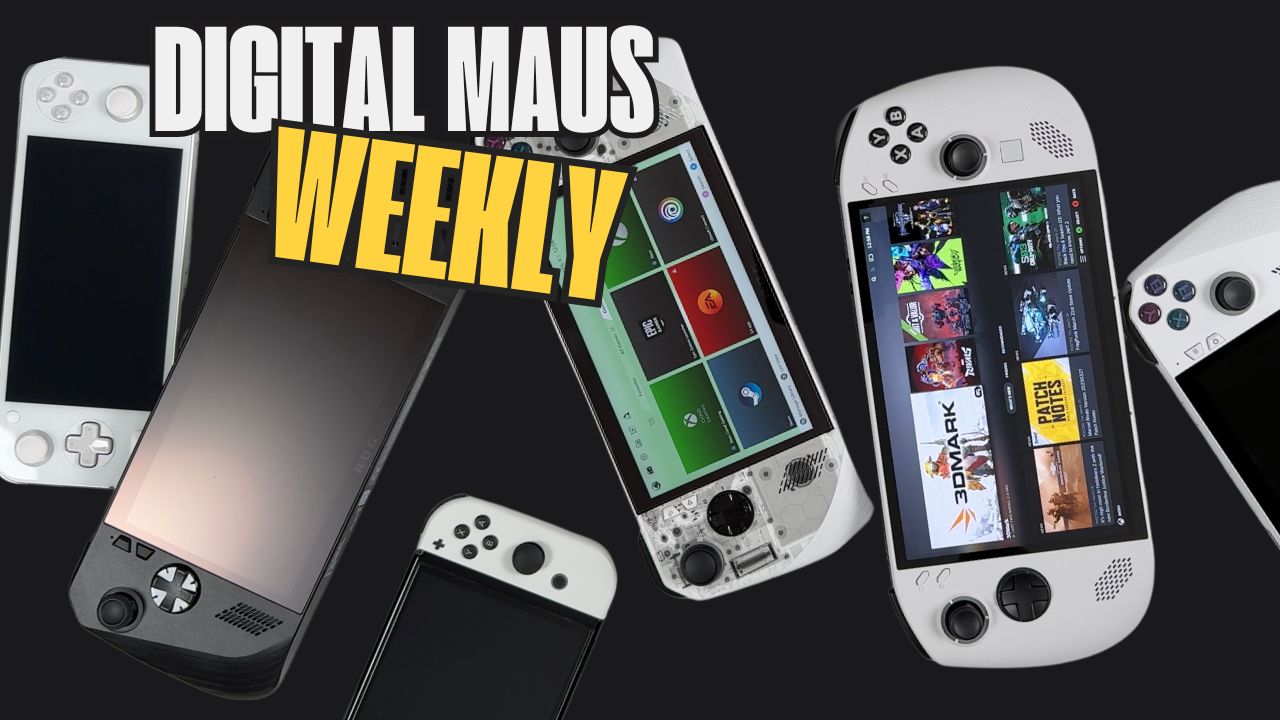
Handheld gaming continues to shift in unexpected ways. This week brought higher prices, new handheld announcements, retro gaming controversy, and continued efforts to improve the Xbox experience on portable PCs.
Valve Raises Steam Deck OLED Prices
Valve increased the prices of multiple Steam Deck OLED models due to rising memory and storage costs. The 512GB and 1TB versions both received substantial price increases, pushing the Steam Deck closer to premium Windows handheld pricing. Critics noted that the Steam Deck’s strongest advantage has traditionally been affordability, making the increase difficult for some buyers to justify. Others argued that the price changes reflect broader component shortages affecting the entire handheld PC market. The news matters because it could make devices like the ROG Ally, Ally X, and Legion Go more competitive in the eyes of consumers.
The Verge. (2026, May 27). Valve raises Steam Deck OLED prices amid rising component costs.https://www.theverge.com/games/938340/valve-steam-deck-price-increase
Acer Introduces the Nitro Blaze Link
Acer announced the Nitro Blaze Link, a Linux-based handheld designed primarily for game streaming. The device includes a 7-inch 1920×1200 display, Wi-Fi 6 support, and lightweight specifications aimed at cloud gaming and remote play. Early reactions compared the handheld to Sony’s PlayStation Portal, but focused on PC gaming instead of console streaming. Some praised the idea of a simpler and potentially cheaper handheld experience, while others questioned whether streaming-only devices can compete with fully capable gaming handheld PCs. This matters because companies are increasingly exploring lower-cost alternatives as premium handheld prices continue to rise.
The Verge. (2026, May 28). Acer reveals the Nitro Blaze Link streaming handheld.https://www.theverge.com/games/939112/acer-nitro-blaze-link-handheld-announcement
MSI Reveals the Claw 8 EX AI Plus
MSI officially revealed the Claw 8 EX AI Plus during Computex 2026. The handheld features Intel’s updated Arc graphics architecture, support for up to 32GB of LPDDR5x memory, Hall effect controls, and redesigned ergonomics. MSI’s earlier handheld efforts received criticism for inconsistent gaming performance and battery life, so reactions to the new model remain cautious. However, many observers believe Intel’s newer hardware could help MSI become more competitive in the handheld gaming market. The device matters because it represents another major attempt to challenge AMD-powered systems like the Legion Go and ROG Ally.
The Verge. (2026, May 29). MSI announces the Claw 8 EX AI Plus at Computex 2026.https://www.theverge.com/games/939445/msi-claw-8-ex-ai-plus-computex-2026
Anbernic Responds to Hardware Downgrade Concerns
Anbernic faced criticism after reports claimed some RG34XXSP retro handhelds shipped with downgraded memory configurations. The company originally marketed the handheld with 2GB of LPDDR4 memory, but some customers reportedly received versions with less memory and older LPDDR3 technology. Anbernic acknowledged the issue and advised affected buyers to contact support for replacements. Critics argued that quiet hardware revisions can damage trust within the retro handheld community, where specifications heavily influence purchasing decisions. The story matters because it highlights how component shortages are beginning to affect both premium and budget handheld gaming devices.
Tom’s Hardware. (2026, May 26). Anbernic addresses reports of downgraded memory in RG34XXSP handhelds.https://www.tomshardware.com/video-games/handheld-gaming/anbernic-rg34xxsp-memory-downgrade-report
Lenovo’s G02 Retro Handheld Draws Scrutiny
New reporting revealed additional details about Lenovo’s G02 retro handheld, including claims that the device shipped with thousands of preloaded games. Reports suggested many of the included titles involved copyrighted Nintendo software, raising legal concerns. Lenovo reportedly confirmed that the device is an officially licensed white-label product intended for the Chinese market. Critics questioned the risks associated with distributing retro hardware tied to large ROM libraries and copyrighted games. The situation matters because it demonstrates how rapidly the retro handheld market is intersecting with larger mainstream gaming brands.
Tom’s Hardware. (2026, May 25). Lenovo’s G02 retro handheld raises legal and licensing questions.https://www.tomshardware.com/video-games/handheld-gaming/lenovo-g02-retro-handheld-report
Xbox Continues Improving the PC Gaming Interface
Xbox released a new Insider update focused on interface customization and controller-friendly usability improvements. The update adds additional personalization settings and continues Microsoft’s broader effort to unify Xbox and Windows experiences. While the update is not specifically designed for handheld devices, many users see these changes as important steps toward a more handheld-friendly version of Windows gaming. Supporters praised Microsoft for gradually improving navigation and controller integration across PC platforms. The update matters because handheld gaming PCs increasingly rely on Xbox software and Windows optimization to compete with SteamOS.
Xbox Wire. (2026, May 28). Xbox Insider update introduces new personalization features and interface improvements.https://news.xbox.com/en-us/2026/05/28/xbox-insider-update-may-2026/
Final Thoughts
This week showed how much pressure the handheld gaming market is currently facing. Rising component costs are affecting pricing, while companies continue searching for new ways to differentiate their devices through software, streaming, and hardware design. At the same time, consumers are paying closer attention to value, transparency, and overall user experience. Whether it is SteamOS, Windows, Xbox integration, or retro gaming, the competition in handheld gaming continues to expand rapidly.