
June 11, 2026 – June 18, 2026
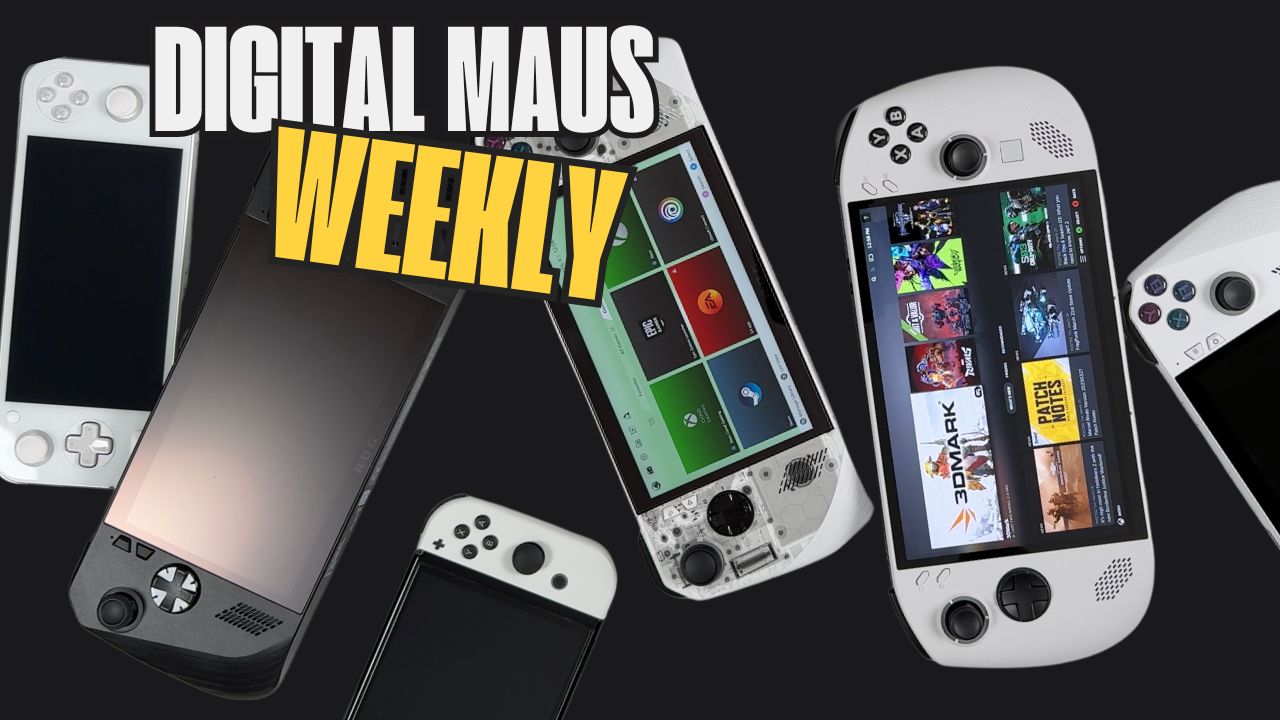
Welcome to this week’s edition of Digital Maus Weekly, where we round up the biggest developments in handheld gaming. For additional handheld gaming reviews, comparisons, and industry commentary, visit the Digital Maus YouTube channel at https://www.youtube.com/@digitalmaus.
This week saw continued momentum for SteamOS as Valve expanded support beyond the Steam Deck. Meanwhile, Nintendo continued building out the Switch 2 software lineup, and industry discussions focused on rising handheld gaming prices and the growing competition between SteamOS and Windows.
SteamOS Expands Support for Intel Handhelds
Valve released SteamOS beta updates that improve support for Intel-powered gaming handhelds. The updates include compatibility improvements for devices such as the MSI Claw, helping SteamOS move beyond its traditional focus on AMD-based hardware. Early reports indicate better controller support and improved functionality on Intel systems. While some limitations remain, the progress suggests that SteamOS is becoming a more flexible platform for multiple manufacturers. This expansion could eventually provide more alternatives to Windows for handheld gaming PCs. As SteamOS support grows, consumers may see more devices ship with Valve’s operating system in the future.
Reference
GamesRadar+. (2026, June 17). SteamOS now plays nice with Intel handhelds and that could help a shunned portable become a solid Steam Deck alternative. https://www.gamesradar.com/hardware/handhelds/steamos-now-plays-nice-with-intel-handhelds-and-that-could-help-a-shunned-portable-become-a-solid-steam-deck-alternative/
SteamOS Continues Challenging Windows on Handheld PCs
Several publications updated their handheld gaming recommendations this week, continuing a trend that favors SteamOS for ease of use. Reviewers praised the Steam Deck OLED for delivering a console-like experience with minimal setup and maintenance. Windows-based handhelds such as the ROG Ally and Legion Go were recognized for their flexibility and software compatibility but also criticized for requiring more updates and configuration. The discussion highlights how operating systems have become a major factor in handheld purchasing decisions. Hardware specifications remain important, but software experience increasingly influences which devices consumers choose. The growing popularity of SteamOS could place additional pressure on Microsoft to improve Windows for handheld gaming.
Reference
The Verge. (2026, June 13). The best handheld gaming PCs. https://www.theverge.com/games/947469/best-handheld-gaming-pc
Nintendo Expands the Switch 2 Software Lineup
Nintendo highlighted several upcoming games for the Switch 2 throughout June and the summer season. The announcements included a mix of new releases and returning franchises across multiple genres. Nintendo continues to focus on building a steady software library following the system’s launch. Strong software support remains one of Nintendo’s key advantages in the gaming market. The company appears committed to maintaining momentum by regularly introducing new titles to the platform. Continued software releases will play an important role in attracting both new buyers and existing Switch owners considering an upgrade.
Reference
Nintendo. (2026, June 13). Upcoming games: June 2026. https://www.nintendo.com/en-gb/News/2026/June/Upcoming-games-June-2026-3110313.html
Rising Prices Remain a Major Concern for Handheld Gamers
Updated buying guides this week highlighted the increasing cost of premium gaming handhelds. Devices from Lenovo, ASUS, AYANEO, and other manufacturers continue pushing into price ranges traditionally associated with gaming laptops. Reviewers frequently pointed to the Steam Deck OLED as one of the strongest values currently available. At the same time, some premium handhelds are approaching or exceeding the $2,000 mark. The trend has sparked ongoing discussion about affordability and value within the handheld gaming community. As prices continue rising, consumers may place greater emphasis on software experience, battery life, and long-term support when evaluating purchases.
Reference
The Verge. (2026, June 13). The best handheld gaming PCs. https://www.theverge.com/games/947469/best-handheld-gaming-pc
Legion Go 2 Continues Receiving Industry Recognition
Although Lenovo did not announce major Legion Go news this week, the Legion Go 2 remained a prominent recommendation in several industry buying guides. Reviewers continued praising the device’s large OLED display and premium hardware specifications. The handheld is frequently positioned as a high-end alternative to the Steam Deck and ROG Ally. Criticism continues to focus primarily on pricing rather than performance or design. Lenovo’s willingness to compete in the premium handheld segment has helped establish the Legion Go brand as a significant player in the market. Continued positive coverage suggests the device remains highly competitive despite increasing market competition.
Reference
The Verge. (2026, June 13). The best handheld gaming PCs. https://www.theverge.com/games/947469/best-handheld-gaming-pc
SteamOS-Powered Legion Go 2 Launch Nears
Reports this week continued to point toward an upcoming launch of Lenovo’s SteamOS version of the Legion Go 2. The device combines Lenovo’s hardware with Valve’s operating system, creating an alternative to traditional Windows-based handhelds. Industry observers view the launch as one of the most important SteamOS hardware releases outside of Valve’s own Steam Deck. The combination of premium hardware and a gaming-focused operating system could appeal to users seeking a more console-like experience. Questions remain regarding pricing, software support, and long-term adoption. However, the success of this device could influence whether additional manufacturers choose to embrace SteamOS in future products.
Reference
Windows Central. (2026, June 12). Legion Go 2 with SteamOS finally coming in June after CES 2026 reveal. https://www.windowscentral.com/hardware/lenovo/legion-go-2-steamos-finally-coming-june-ces-2026
Final Thoughts
The biggest story this week was the continued expansion of SteamOS. Valve is steadily transforming its operating system into a broader platform capable of supporting multiple handheld manufacturers and processor architectures. Nintendo continues strengthening the Switch 2 ecosystem through software releases, while handheld gaming PC manufacturers face increasing scrutiny over rising prices. As the market evolves, the competition between SteamOS and Windows may become just as important as the competition between handheld devices themselves.