
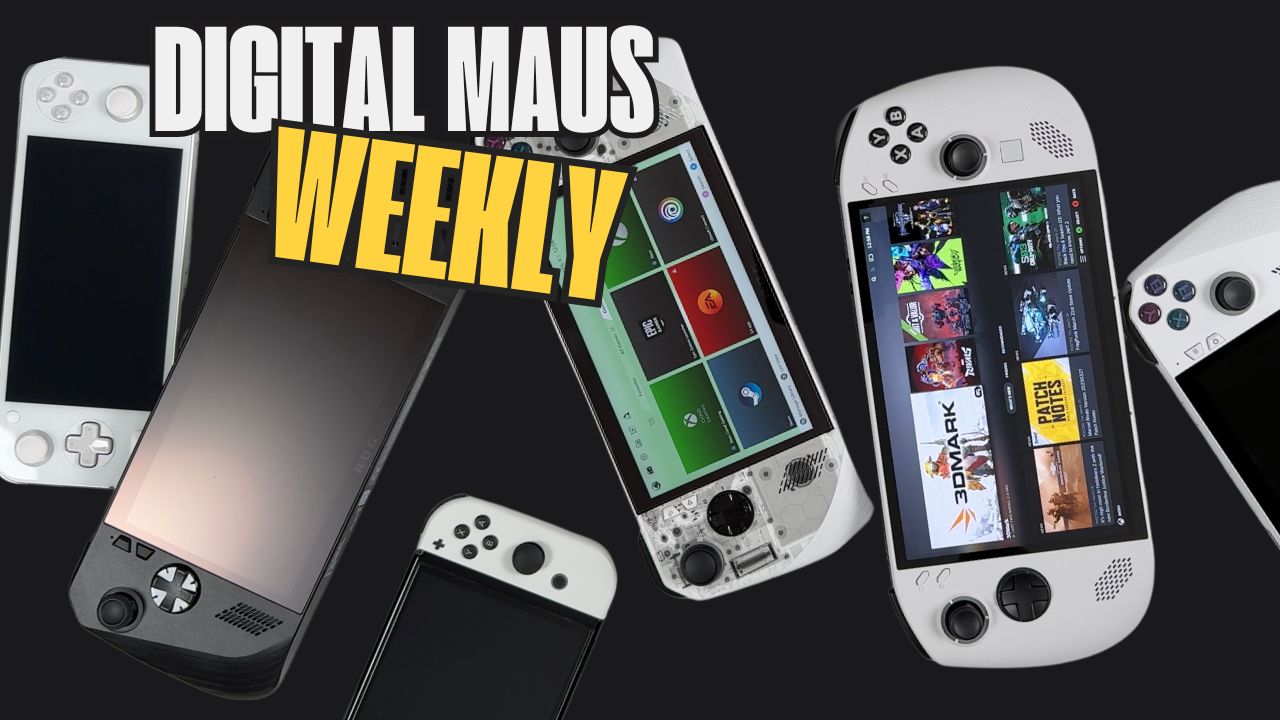
A focused look at the latest handheld gaming developments this week, centered on platform strategy, ecosystem direction, and where performance and pricing are heading next.
Valve expands Steam Deck performance tools for developers
Valve introduced new Steamworks tools that give developers deeper insight into how games perform on the Steam Deck. The update focuses on aggregated player data, including average framerates and post-session feedback collected over time. It applies directly to developers working within Valve’s ecosystem and targeting Steam Deck compatibility. A standout feature is the ability to track real-world performance across thousands of users, helping studios better meet “Steam Deck Verified” standards. The update has been viewed positively as a way to reduce guesswork, though it relies on opt-in data and may not capture all edge cases. This matters because it strengthens SteamOS as a performance-first platform, potentially widening the gap between optimized Steam Deck titles and Windows handheld experiences.
APA Citation:
Windows Central. (2026). Steam Deck developers gain new performance insights through Steamworks tools. https://www.windowscentral.com/hardware/handheld-gaming-pc/steam-deck-steamworks-new-data
Steam Deck 2 confirmed but delayed by supply constraints
Valve confirmed it is actively working on a next-generation Steam Deck, but noted that hardware limitations are slowing progress. The development involves Valve and its ongoing handheld hardware strategy. The company cited global constraints around memory and key components as a reason for delaying any concrete release timeline. While no specifications were shared, Valve emphasized that it is taking lessons from the current Steam Deck and past hardware efforts. The lack of details has drawn some criticism, but the confirmation itself reinforces long-term commitment. This matters because it signals that major hardware upgrades in the handheld space may take longer, even as competitors continue releasing incremental improvements.
APA Citation:
T3. (2026). Steam Deck 2 confirmed as Valve continues development amid hardware challenges. https://www.t3.com/tech/gaming-consoles/steam-deck-2-confirmed-were-hard-at-work-on-it-says-valve
Xbox reinforces cross-platform strategy with Play Anywhere expansion
Microsoft highlighted its Play Anywhere initiative during the April 2026 ID@Xbox showcase, emphasizing cross-device compatibility. The update centers on Xbox as a platform rather than a single device, impacting console, PC, and handheld gaming PCs. New and upcoming titles will support shared progress and purchases across devices, including Windows-based handhelds. A standout aspect is the continued integration with Game Pass and cloud gaming, making games accessible across multiple form factors. The approach has been widely praised for flexibility, though it relies heavily on Windows infrastructure. This matters because it strengthens the value of Windows handhelds like the ROG Ally and Legion Go without requiring dedicated Xbox handheld hardware.
APA Citation:
Windows Central. (2026). Everything announced at the April 2026 ID@Xbox showcase. https://www.windowscentral.com/gaming/xbox/everything-announced-for-xbox-and-pc-at-the-id-xbox-and-ign-april-2026-showcase
Handheld gaming market splits between SteamOS and Windows ecosystems
Recent analysis shows a clear divide forming between SteamOS-based and Windows-based handheld gaming devices. The shift involves major players including Valve, ASUS, and Lenovo across devices like the Steam Deck, ROG Ally X, and Legion Go. SteamOS devices are praised for simplicity, performance optimization, and console-like usability. Windows devices, by contrast, are recognized for broader compatibility, including access to Game Pass and anti-cheat-supported titles. Critics note that Windows handhelds still require more manual setup and ongoing maintenance compared to SteamOS. This matters because the market is no longer defined by hardware specs alone, but by ecosystem choice and user experience priorities.
APA Citation:
PC Gamer. (2026). The best handheld gaming PCs in 2026. https://www.pcgamer.com/best-handheld-gaming-pc/
Valve reveals redesigned Steam Controller with modern features
Valve introduced a new version of its Steam Controller, designed to complement its broader gaming ecosystem. The device includes updated hardware such as improved haptics, rear buttons, magnetic sticks, and expanded connectivity options. It is intended for use across Steam devices, including handheld PCs and desktop setups. Early impressions highlight strong customization and integration, though the lack of console support may limit its appeal. The design reflects a shift toward premium features rather than a budget accessory approach. This matters because it shows Valve investing in a full ecosystem strategy beyond the Steam Deck itself.
APA Citation:
TechRadar. (2026). Valve unveils redesigned Steam Controller with modern features. https://www.techradar.com/computing/peripherals-accessories/valve-steam-controller-2026